Field Notes · The River Wye
Eleven things I learned
while kayaking
the Wye.
After dozens of trips on the river near Hay-on-Wye, these are the lessons every paddler — beginner or experienced — should know before they launch.
A journal entry
Water level, wildlife, weather — and the pubs at the end.
Last updated June 2026
Prologue
00
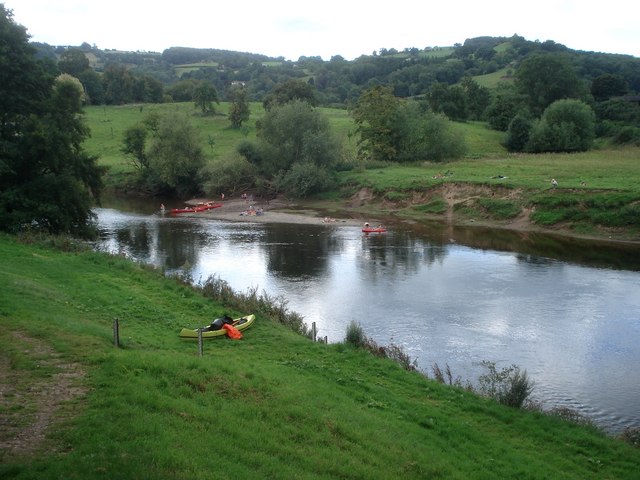
There's something magical about experiencing the River Wye from water level. The river reveals itself slowly — a kingfisher's flash, a heron fishing in the shallows, the rhythm of paddle and current.
Whether you're planning your first kayaking adventure or you're an experienced paddler exploring new waters, these insights will help you make the most of your time on the Wye.
01
Chapter One
The river changes completely
with water levels.
This was my biggest learning curve. The Wye at 0.6m is a completely different river to the Wye at 1.5m. Read the gauge before you go.
Low Water
Below 0.6m
- Slow, peaceful paddling — perfect for beginners
- You'll scrape over shallow sections
- Crystal clear water — amazing for wildlife spotting
- More physical effort required
- Best in summer months
Medium Water
0.6m – 1.2m
- Ideal conditions for most paddlers
- Good flow without being intimidating
- Easier paddling — the river does some work for you
- Most reliable conditions in spring and autumn
High Water
Above 1.2m
- Fast-flowing and powerful
- For experienced paddlers only
- Can be dangerous — strong currents and debris
- Exhilarating but requires skill
Check Before You Paddle
Always check water levels at the Environment Agency website — search for the "Hay-on-Wye" gauge. If you're unsure, ask at the kayak rental shop; they'll give honest advice.
02
Chapter Two
You don't need your own kayak
(and shouldn't buy one yet).
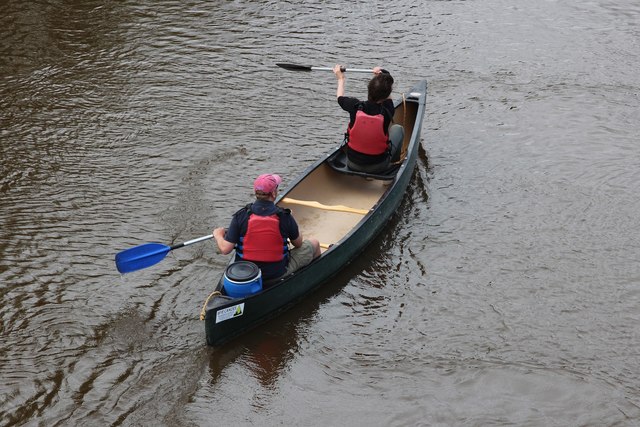
I nearly bought a kayak after my first trip. I'm so glad I didn't. Renting is far more practical, especially when you're starting out.
Best Kayak Rental Near Hay-on-Wye
Wye Valley Canoes, Glasbury
3 miles from Hay
The Boat House, Glasbury-on-Wye, HR3 5NP
Tel: 01497 847 213
From £30 per kayak per day — kayak, paddle, buoyancy aid, waterproof barrel, safety briefing.
Why rent here
- Excellent equipment, well-maintained
- Knowledgeable staff who know the river
- They'll recommend routes based on your ability and water levels
- Shuttle service available for longer trips
- No need to transport kayaks yourself
03
Chapter Three
The best routes depend
on your experience.
Three tried-and-tested paddles, each with a clear character. Pick the one that matches your day.
For Complete Beginners
2–3 hours
Glasbury to Hay-on-Wye
5 miles
- Gentle flow, no rapids
- Beautiful scenery throughout
- Easy exit points if needed
- Finish right in Hay town
- Perfect first kayaking experience
For Intermediate Paddlers
4–5 hours
Hay-on-Wye to Whitney
8 miles
- Longer trip with varied scenery
- Some faster-flowing sections
- Wildlife-rich stretches
- Pub at Whitney for refreshments
For Experienced Kayakers
Full day
Glasbury to Bredwardine
12 miles
- Full day's paddling
- Stunning Wye Valley scenery
- Mix of calm and flowing water
- Requires good fitness
04
Chapter Four
Wildlife encounters
are the highlight.
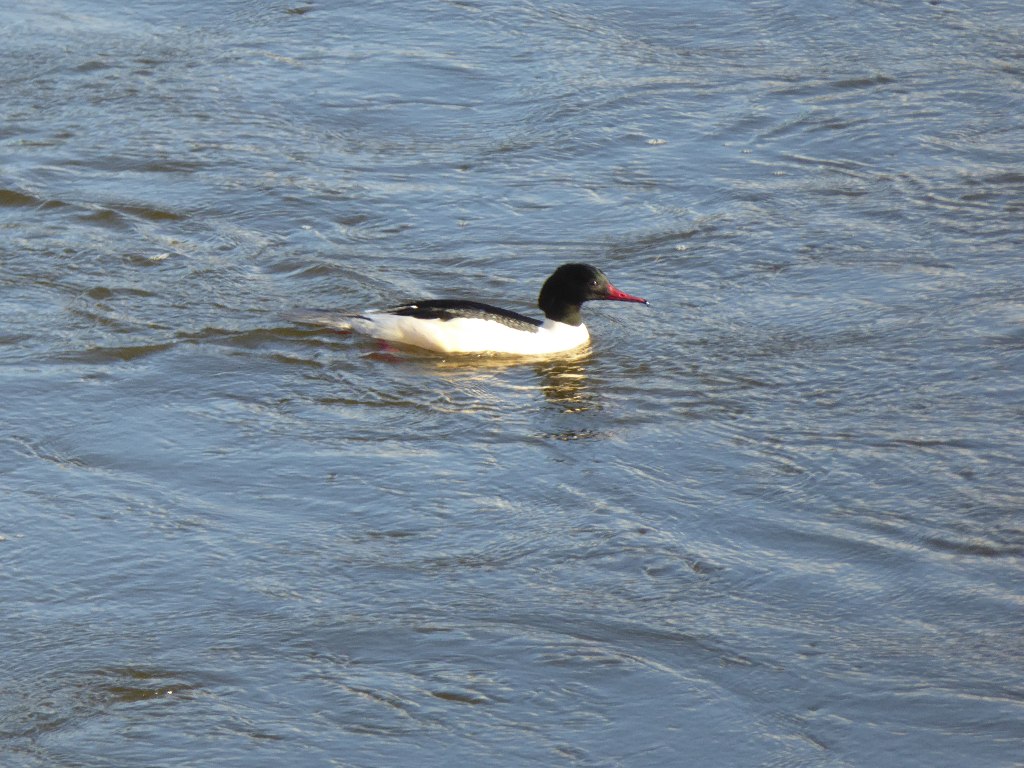
From the water, you see wildlife that land-based visitors miss entirely. My most memorable moments have all been wildlife encounters.
What you're likely to see
-
Kingfishers
Bright blue flashes along the banks — magical.
-
Herons
Fishing in the shallows, often let you paddle quite close.
-
Otters
If you're very lucky and quiet (I've seen them three times).
-
Red kites
Soaring overhead — a common sight.
-
Dippers
Small birds that actually walk underwater.
-
Salmon
Jumping in autumn months.
-
Buzzards
Often perched in riverside trees.
Wildlife watching tips
- · Paddle quietly — noise travels on water
- · Early morning is best (before 9am)
- · Bring binoculars in a waterproof case
- · Move slowly near banks where wildlife feeds
- · Autumn and spring offer the best wildlife viewing
05
Chapter Five
You will get wet
(and that's fine).
Even on calm days, you'll get splashed. On windier days, you might get soaked. Here's what I learned about staying comfortable.
What to wear
- Summer: Quick-dry shorts/trousers, t-shirt, sun hat, sunscreen.
- Spring/Autumn: Wetsuit or waterproof jacket and trousers, warm layers.
- Footwear: Old trainers or water shoes (not flip-flops).
- Always bring: A complete change of clothes in the car.
What to bring in the kayak
- · Water (2 litres minimum)
- · Snacks/lunch in a waterproof bag
- · Phone in a waterproof case
- · Sunscreen and hat
- · Small first aid kit
- · Whistle (attached to buoyancy aid)
What to leave in the car
- · Valuables
- · Car keys (rental shops usually provide a waterproof key holder)
- · Anything you can't afford to get wet

06
Chapter Six
The river has
a social side.
Kayaking the Wye isn't a solitary experience. You'll meet other paddlers, fishermen, and riverside walkers. The kayaking community is incredibly friendly.
River etiquette I've learned
-
Give anglers space
Paddle quietly past, give them a wide berth.
-
Wave to other paddlers
Everyone's friendly on the water.
-
Help if someone's struggling
The river community looks after each other.
-
Respect private land
Only get out at designated access points.
-
Take all litter
Leave no trace.
Best post-paddle pubs
The Three Tuns, Hay-on-Wye
Perfect finish point, welcomes kayakers (even muddy ones), great food and local ales.
The Rhydspence Inn, Whitney
Historic riverside inn, excellent for longer trips ending at Whitney.

07
Chapter Seven
Timing your trip
makes all the difference.
The Wye rewards the patient paddler. Choose your hour and your season with care.
Best time of day
- Early morning (7–10am): Calm water, best wildlife, fewer people.
- Late afternoon (4–7pm): Beautiful light, still warm, quieter.
- Avoid midday in summer: Hot sun, busier, less wildlife.
Best time of year
- May–June: Perfect water levels, warm weather, long days.
- September: Quieter, beautiful autumn colours, good water levels.
- July–August: Warmest but busiest; water can be low.
- October–April: For experienced paddlers only — cold water is dangerous.

08
Chapter Eight
Safety is simpler
than you think.
Kayaking the Wye is very safe if you follow basic rules. A few habits cover almost everything.
Essential safety rules
-
Always wear a buoyancy aid
No exceptions, even if you can swim.
-
Tell someone your plan
Route and expected return time.
-
Check the weather
Avoid high winds and thunderstorms.
-
Know your limits
Don't paddle beyond your ability.
-
Stay with your group
Never paddle alone as a beginner.
-
Learn to swim
Essential before kayaking.
If you capsize
- Stay calm — your buoyancy aid will keep you afloat.
- Hold onto your kayak and paddle if possible.
- Swim to the nearest bank (usually very close on the Wye).
- The water is shallow in most places — you can often stand up.
09
Chapter Nine
You don't need
to be super fit.
I was worried about fitness before my first trip. The truth? The river does a lot of the work.
Fitness reality
- · Beginners' routes are gentle — suitable for most fitness levels.
- · You can rest and drift whenever you want.
- · Upper body gets a workout, but it's not intense.
- · Take breaks — there's no rush.
- · Children from age 8+ can manage with adult supervision.
Tips for making it easier
- · Choose a day with good flow (0.8m–1.0m).
- · Start with a shorter route.
- · Take regular breaks.
- · Use the current — learn to read the water.
- · Don't fight the river — work with it.
10
Chapter Ten
The weather can change
everything.
I've paddled the same stretch in sunshine and rain. They're completely different experiences.
Perfect kayaking weather
- · Light cloud or sunshine
- · Light breeze (under 10mph)
- · Temperatures above 15°C
- · No rain forecast
Avoid kayaking when
- · Strong winds (above 15mph) — makes paddling exhausting.
- · Heavy rain — reduces visibility and raises water levels.
- · Thunderstorms — dangerous on water.
- · Very cold weather (below 10°C) — hypothermia risk if you capsize.
11
Chapter Eleven
It's addictive
(in the best way).
After my first kayaking trip, I was hooked. There's something about being on the water that's incredibly peaceful yet exhilarating.
Why I keep coming back
- Every trip is different — water levels, wildlife, weather all vary.
- It's meditative — the rhythm of paddling is calming.
- You see the landscape from a unique perspective.
- It's achievable adventure — not extreme but still exciting.
- Great social activity or peaceful solo time.
- Connects you with nature in a special way.

Coda
Frequently
asked questions.
Do I need experience to kayak the River Wye?
No. The Glasbury to Hay section is perfect for complete beginners. The rental shop provides a safety briefing and basic instruction. If you can swim and follow instructions, you can kayak the Wye.
How much does it cost?
Kayak rental from Wye Valley Canoes is around £30–£40 per kayak per day. This includes all equipment. It is excellent value for a full day's adventure.
Can I bring my dog?
Some rental companies allow dogs in kayaks if they are calm and used to water. Check when booking. Your dog will need a buoyancy aid too.
What if I've never kayaked before?
Perfect. The Wye is ideal for beginners. Book with Wye Valley Canoes — they will give you instruction and recommend the best route for your ability.
Is it safe for children?
Yes — children from age 8+ can kayak with adult supervision. Younger children can sit in a double kayak with an adult. Everyone must wear buoyancy aids.
Stay With Us
A water-sports-friendly base on the Wye.
The Hay Holiday Cottage is built around days on the river. Five minutes from the kayak hire, with everything you need to rinse, dry and reset.
What's at the cottage
- Just 5 minutes from Wye Valley Canoes
- Secure storage for water sports equipment
- Outdoor hose for rinsing gear
- Hot shower after a day on the water
- Local route maps and advice provided
- We can help arrange kayak rental
See you on the water.
Book Your Kayaking BaseLast updated June 2026. Always check current water levels and weather before paddling. Rental prices and availability may vary.

Your home in Hay-on-Wye
Tucked into the quiet lanes of Hay-on-Wye, our cottage is a five to ten minute walk from the town centre, bookshops and the River Wye.
Address
The Hay Holiday Cottage, Hay-On-Wye, HR3 5RD, UK